

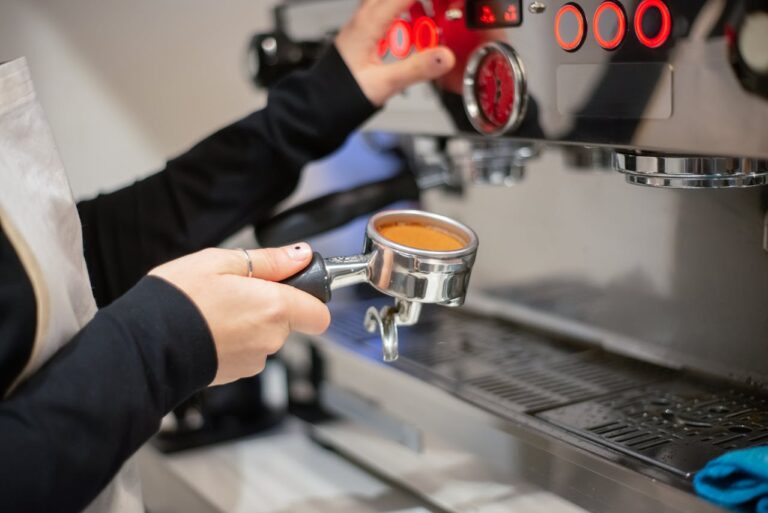
The coffee machine in your office break room might seem like a minor operational detail, yet it influences workplace dynamics in surprisingly significant ways. From recruitment appeal to daily productivity patterns, how businesses approach coffee provision reveals deeper attitudes about employee experience and organisational culture. In 2025, leading UK companies are discovering that strategic coffee investments deliver returns that far exceed their modest costs.
The Evolution of Workplace Coffee Expectations
From Basic Utility to Employee Experience
A decade ago, instant coffee granules and a kettle sufficed for most UK offices. Today’s workforce—particularly younger professionals—expects café-quality beverages as standard workplace provision. This shift reflects broader changes in employee expectations around workplace amenities and employer investment in daily experience.
The contrast between companies offering premium coffee and those providing basic instant options sends clear cultural signals. Quality provisions suggest that leadership values employee comfort and invests in their wellbeing, whilst inadequate coffee implies a purely transactional employment relationship focused on minimising costs.
The Hybrid Working Challenge
Remote work has fundamentally altered the calculus around office amenities. Employees working from home enjoy complete control over their coffee quality, often investing in sophisticated home brewing equipment. Offices competing for employee presence must now match or exceed home coffee standards to justify commuting.
This dynamic particularly affects businesses encouraging regular office attendance for collaboration and culture-building. If the coffee at headquarters falls short of what employees brew at home, the office environment loses competitive advantage against remote alternatives. Strategic coffee machine for office investments help tip this balance favourably.
Measuring the Business Impact
Productivity Gains Through Convenience
The average coffee shop visit consumes 15-20 minutes including travel, queuing, and return journey. Multiply this by employees making daily trips, and businesses lose hundreds of productive hours weekly to a task that quality on-site equipment eliminates entirely.
Beyond recovered time, there’s the concentration factor. Leaving the office disrupts workflow, making it difficult to resume complex tasks immediately. On-site coffee maintains focus whilst still providing the mental break that coffee rituals offer—achieving the psychological benefits without the productivity cost.
Financial Returns That Add Up
Consider a typical scenario: 30 employees each spending £3.50 daily on coffee shop visits represents over £27,000 annually in employee expenditure. Providing quality on-site coffee at 25p per cup costs approximately £1,950 yearly for consumables plus equipment investment.
Even accounting for a £2,500 machine purchase, first-year costs total under £4,500—a fraction of what employees previously spent personally. This calculation excludes the substantial productivity value of eliminating coffee shop trips, meaning actual returns significantly exceed pure cost comparisons.
Recruitment and Retention Advantages
Employee turnover costs UK businesses thousands per departure when accounting for recruitment, onboarding, and productivity losses during transitions. Whilst coffee provision alone won’t prevent resignations, it contributes to the cumulative workplace experience influencing retention decisions.
Quality amenities also feature in recruitment processes. Candidates touring potential workplaces notice details like coffee provision, interpreting them as indicators of how organisations treat employees. The £2,000 invested in premium coffee equipment pales against recruitment costs for even a single professional position.
Implementation Best Practices
Matching Equipment to Usage Patterns
Successful coffee provision begins with understanding actual consumption patterns. Peak usage times—typically mid-morning and post-lunch—determine necessary capacity. Under-specified equipment creates frustrating queues, whilst over-specification wastes resources and counter space.
Bean-to-cup machines suit environments where employees appreciate customisable drinks and fresh-ground quality. Filter systems serve high-volume settings efficiently, though with less variety. Pod machines offer convenience for smaller teams, despite higher per-cup costs and environmental considerations around disposable waste.
Creating Inviting Coffee Spaces
Equipment represents only part of effective coffee provision. The surrounding environment matters equally. Adequate counter space, comfortable seating nearby, proper lighting, and appealing aesthetics transform functional refreshment areas into genuine break spaces that employees actually want to use.
These spaces naturally become informal gathering points where departments intersect and hierarchies soften. The marketing team member waiting for her cappuccino might strike up conversation with the IT specialist collecting his Americano, sparking collaborations that formal meetings rarely produce.
Sustainability and Ethics
Environmental Considerations
Modern businesses evaluate decisions through sustainability lenses, and coffee provision offers opportunities for environmental stewardship. Bean-to-cup systems generate minimal packaging waste compared to pod alternatives, whilst encouraging reusable cup usage eliminates disposable waste entirely.
Some organisations implement cup deposit schemes or provide branded keep-cups as employee gifts, reinforcing environmental commitments whilst delivering practical value. These initiatives demonstrate that quality coffee and sustainability goals can align perfectly.
Ethical Sourcing Matters
Coffee sourcing decisions reflect organisational values. Fairtrade, Rainforest Alliance, and direct trade certifications ensure ethical supply chains whilst supporting farming communities. Employees increasingly notice these considerations, with ethical sourcing contributing to positive cultural perceptions.
Quality beans from reputable suppliers typically deliver superior taste alongside ethical credentials—a rare instance where doing good and maximising enjoyment coincide perfectly.
FAQ Section
How quickly do businesses typically see return on coffee machine investments?
Most organisations achieve payback within 12-18 months through combined savings from eliminated coffee shop visits and productivity gains from reduced time away from desks. Subsequent years represent pure savings, making coffee provision one of the highest-return workplace investments available.
What capacity should we choose for fluctuating office attendance?
Base calculations on average daily attendance rather than total employee count. For hybrid workplaces, estimate typical in-office numbers and select equipment rated for 25-30% above this figure. This provides buffer for unusually busy days whilst avoiding over-specification for normal operations.
How do we handle maintenance and cleaning responsibilities?
Many businesses designate facilities staff or enthusiastic volunteers as coffee champions handling daily maintenance—emptying drip trays, refilling supplies, and basic cleaning. Professional servicing every 6-12 months addresses technical requirements. Maintenance contracts can bundle these services for predictable costs.
Can we trial different coffee solutions before committing?
Some suppliers offer trial periods or demonstration equipment allowing offices to test solutions before purchasing. This approach particularly suits businesses uncertain about employee preferences or concerned about adoption rates for new equipment.
What happens if employee preferences vary widely?
Modern bean-to-cup machines accommodate diverse preferences through customisable settings—adjustable strength, milk options including plant-based alternatives, and multiple drink styles from espresso to latte. Single machines can satisfy varied tastes without requiring multiple equipment types.
Conclusion
Office coffee provision has evolved from basic utility to strategic workplace investment. The combination of employee satisfaction benefits, productivity gains, and favourable economics makes quality coffee solutions among the highest-impact, most cost-effective workplace improvements available to UK businesses.
As organisations navigate competitive talent markets and evolving employee expectations around workplace experience, coffee provision represents an accessible differentiator that signals genuine commitment to employee wellbeing. The modest investment required generates disproportionate returns, transforming a daily necessity into a competitive advantage that enhances culture, productivity, and organisational appeal.


